If you’re planning a wedding, it’s easy to get swept up in the reception details. The florals, the seating chart, the playlist. But here’s something worth sitting with: your ceremony is the whole reason everyone showed up in the first place.
We got to sit down with Keri Klein, owner of Flower City Ceremonies, on the Shoot the Vows podcast to talk about what actually makes a ceremony memorable. And honestly, it gave us a whole new appreciation for the officiant’s role in your day. Here’s what we learned.
Your Ceremony Is the Heart of the Day
It’s easy to think of the ceremony as the thing you get through before the party starts. But as Keri put it, without an officiant tying it all together, your wedding is just a really expensive party.
The ceremony is the actual beginning of your marriage. Everything else, the pictures, the reception, the dancing, is a celebration of that moment. Which is exactly why it deserves more thought than a lot of couples give it.
Custom Ceremonies Start With Real Conversations
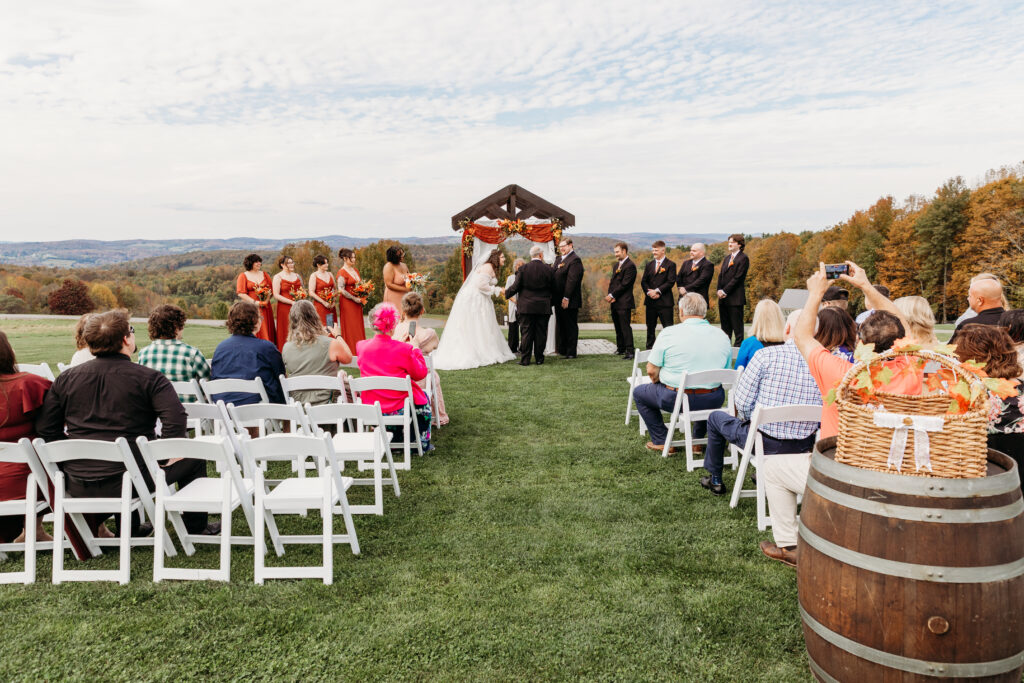
Flower City Ceremonies writes every ceremony from scratch, and it starts with a first meeting where Keri asks couples questions on the spot, without giving them a heads up beforehand. Things like how they met, what the proposal was like, and what they love about each other.
She said she loves catching that first, honest reaction rather than something rehearsed. After couples book, they get a deeper questionnaire that digs into things like when they knew they were in love and any funny stories they want woven into the ceremony.
That process matters. A good officiant takes the little details you share and turns them into a ceremony that actually sounds like you, not a template pulled off the internet.
Please Don’t Let Chat GPT (or a Google Search) Write Your Vows
This one got a laugh, but it’s real advice. Not everyone is a natural public speaker, and being close to the couple isn’t the same thing as knowing how to deliver a ceremony that lands.
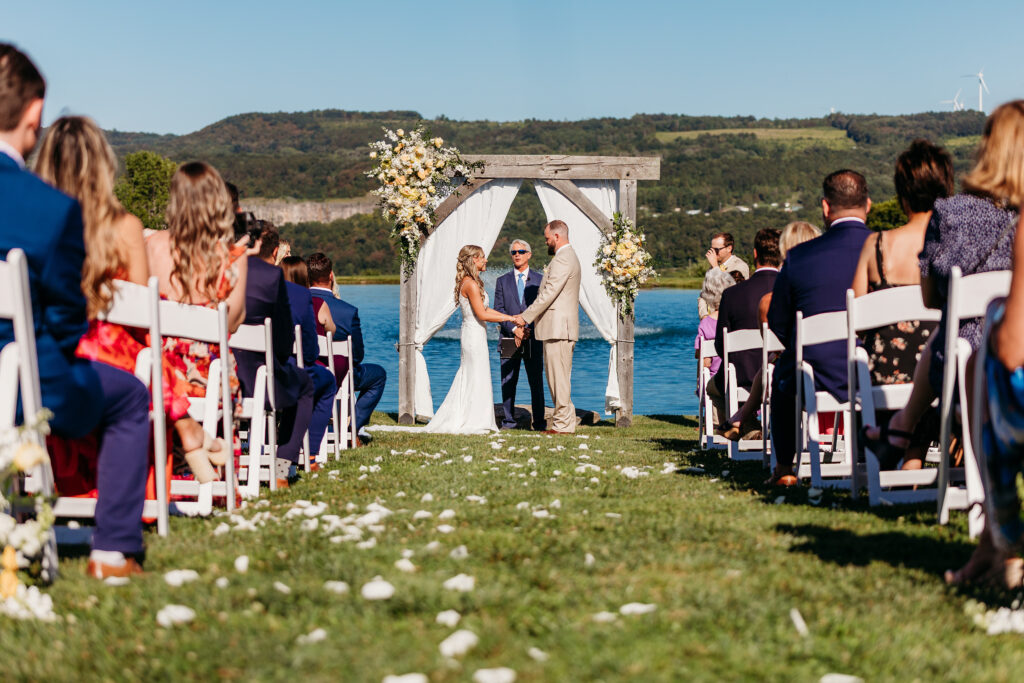
If you’re asking a friend or family member to officiate, that’s wonderful. But consider pairing them with some coaching or professional support so they feel confident up there. Flower City Ceremonies actually offers this: they’ll help write the words for someone who’s a great speaker but not a great writer, or coach someone who can write beautifully but freezes up in front of a crowd.
Private Vows Are Having a Moment
One trend Keri mentioned that we love too: couples choosing to say their vows privately, just the two of them (and maybe a photographer and videographer close by), instead of in front of all their guests.
There’s something to it. Speaking from the heart is hard enough without a hundred sets of eyes on you. A private moment lets you actually feel the words instead of just getting through them. And it means you get to walk down the aisle and simply enjoy your ceremony instead of white-knuckling your way through it.
A Good Officiant Is Watching Out for You
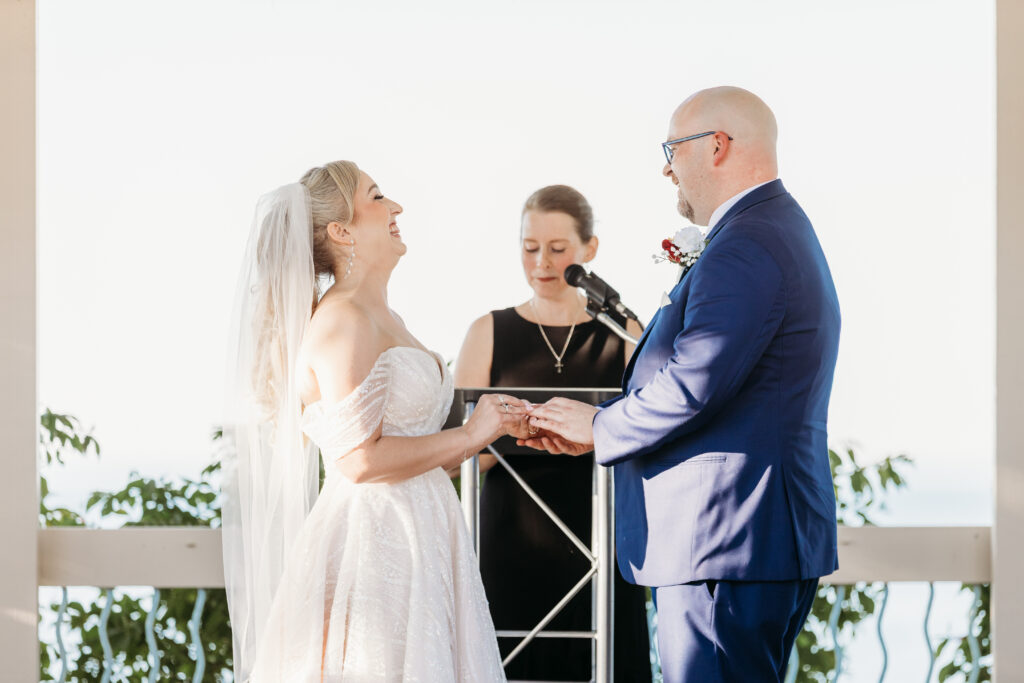
One thing that stood out from the conversation: a great officiant isn’t just reciting a script. They’re doing quiet check-ins throughout the ceremony to make sure you’re feeling steady and confident, and stepping in if you need a beat to collect yourself.
That kind of care is hard to fake, and it’s worth asking about when you’re choosing who will marry you.
How to Vet an Officiant (Especially If They’re Not Local)
If you’re not working with a local pro, Keri’s advice was straightforward:
- Check reviews first
- Ask how long they’ve been officiating and why they got into it
- Ask what their backup plan is if something goes wrong (illness, an emergency, anything)
- Make sure there’s a signed contract
That last point matters more than people think. Officiants no-showing or arriving late is more common than you’d expect, even among paid professionals. A contract protects both of you, and a solid backup plan means your ceremony happens on time no matter what.
Don’t Forget the Marriage License
This is the unglamorous part nobody talks about, but it trips people up constantly. Your officiant needs to actually know how to fill out and sign your marriage license correctly. If it’s filled out wrong, the clerk’s office sends it back, which means reapplying, paying again, and losing your true anniversary date on the official record.
Keep the license somewhere you won’t forget it, and make sure whoever is marrying you has done this before.
Little Ceremony Traditions Worth Considering
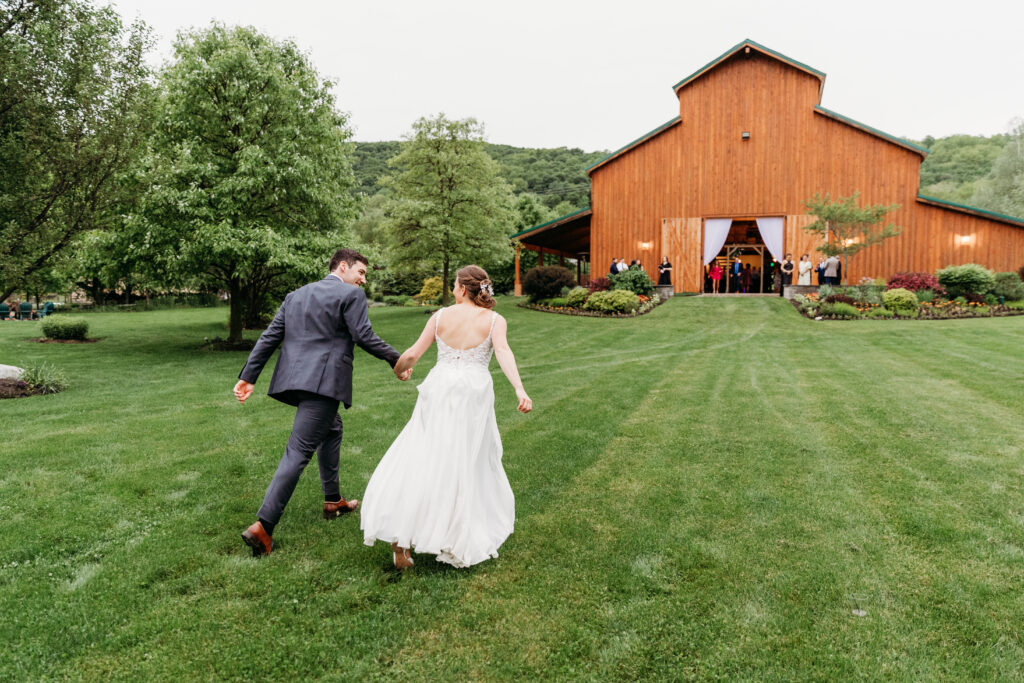
If you want a moment in your ceremony that feels extra personal, there are more options than the standard unity candle. A few Keri mentioned:
- Sand ceremonies, where couples (and sometimes their kids) blend sand into one container to keep as decor
- Handfasting, where your hands are tied together with ribbon, the origin of the phrase “tying the knot”
- Jumping the broom, a tradition rooted in both Irish and African American culture, symbolizing the first challenge you take on together
- Signature drink ceremonies, like the couple who built their vows around a shared love of margaritas
The best part about a custom ceremony is that you get to pick and choose. Keep what feels meaningful, skip what doesn’t, and build something that’s actually yours.
What About Cell Phones During the Ceremony?
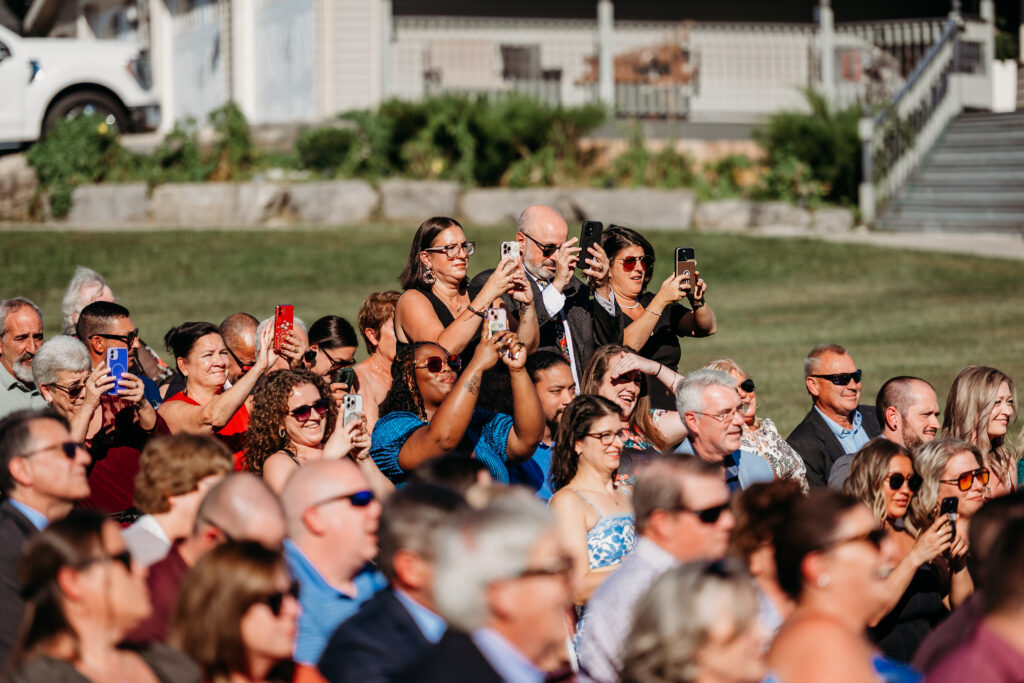
If you’ve ever seen wedding photos ruined by a sea of phones in the aisle, you already know why this matters. Keri offers couples two options:
- An unplugged ceremony, where guests are asked to put phones away entirely
- A social media minute, where guests get 30 seconds to a minute to snap their own photos right after the vows, then are asked to put phones away for the rest of the ceremony
We’re big fans of the social media minute. Guests still get their photo for the group chat, but your photographer and videographer get clean, phone-free shots of the moment that actually matters.
The Best Advice for Couples, Straight From an Officiant
When asked for her number one piece of advice, Keri didn’t talk about ceremony details at all. She talked about marriage.
Her advice: give yourself a pause before responding in an argument. Couples fight, that’s normal, but taking even five seconds before you react can be the difference between a hard conversation and words you can’t take back.
It’s not wedding day advice. It’s marriage advice. And honestly, that’s kind of the whole point of the ceremony in the first place.