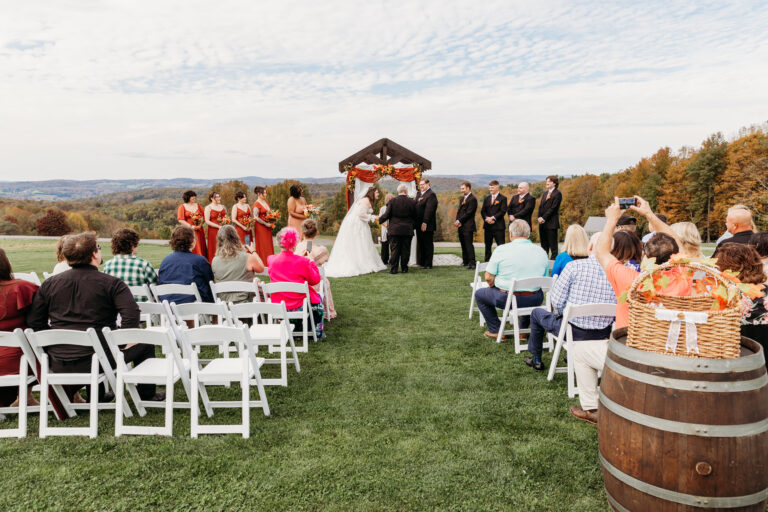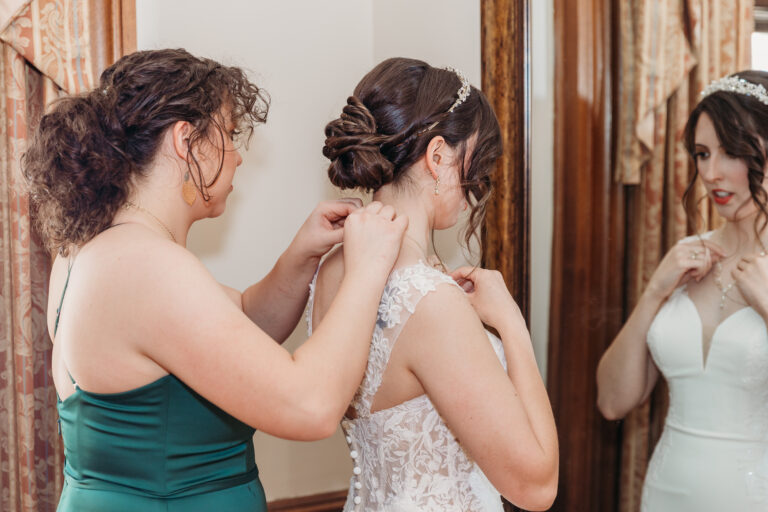
If you’ve been dreaming of a wedding venue that isn’t a barn, let me introduce you to The Manor House in Pierpont Manor, New York. On a recent episode of Shoot the Vows, Kalee and I sat down with venue manager Carl Smith to talk about the property’s history, its show-stopping gardens, and what makes it one of the venues I recommend most to couples.
A Building With Nearly 200 Years of History
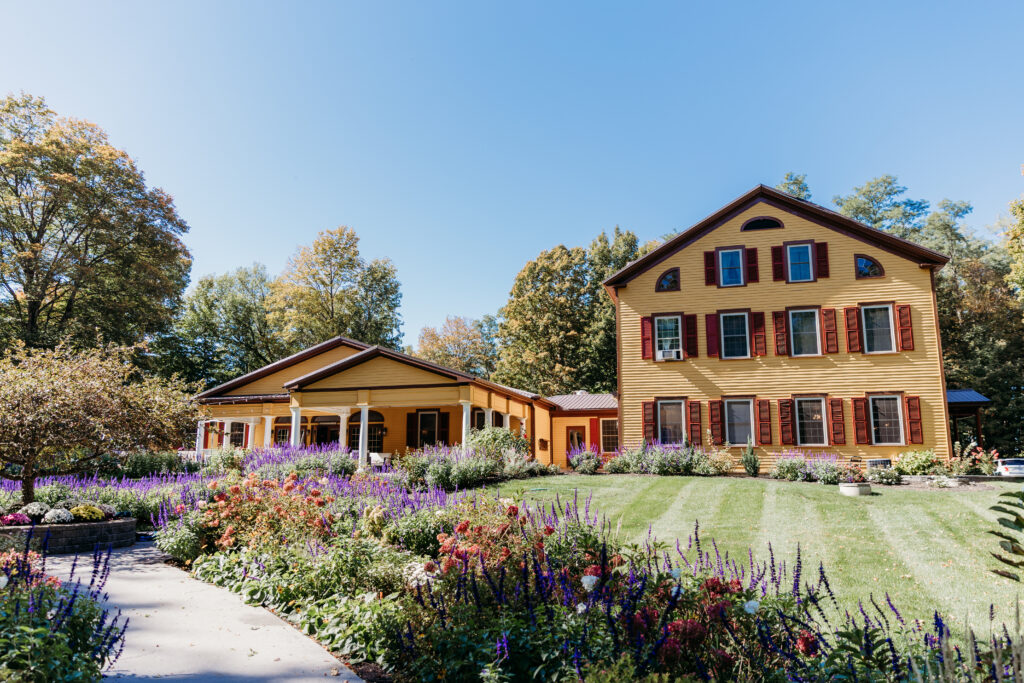
The main building at The Manor House was built in 1823 and is registered as a National Historic Site for both New York State and the nation. It was originally built by the Pierpont family, a wealthy New York City family who used it as a fishing and hunting camp before eventually owning a large swath of land across Jefferson, Oswego, and Onondaga counties.
Over the decades the property changed hands several times. It became a bed and breakfast, sat dilapidated for roughly a decade, and was revived in the early 1990s before Carl and his team purchased it. The house even has ties to the Underground Railroad and Prohibition-era rum running, with hidden walled-off cavities still visible in the basement today.
Not a Barn, and Proudly So
I’ll admit it, Kalee and I are pretty vocal about our feelings on barn venues. So when I tell you The Manor House gives you a ballroom feel without going full barn, that means something. The reception space has an elegant, historic character, and it opens directly onto the gardens outside, giving couples that indoor-outdoor blend that is so popular right now without losing the more formal feel indoors.
One detail that surprised me: the venue has air conditioning, something a lot of barn venues skip entirely. Carl shared that he has seen guests suffer heat strokes at other New York venues during peak summer months, since couples often underestimate how hot it gets here. Two rooftop units keep the roughly 3,000 square foot ballroom comfortable even on the hottest wedding days of the year.
The Gardens Are the Main Attraction
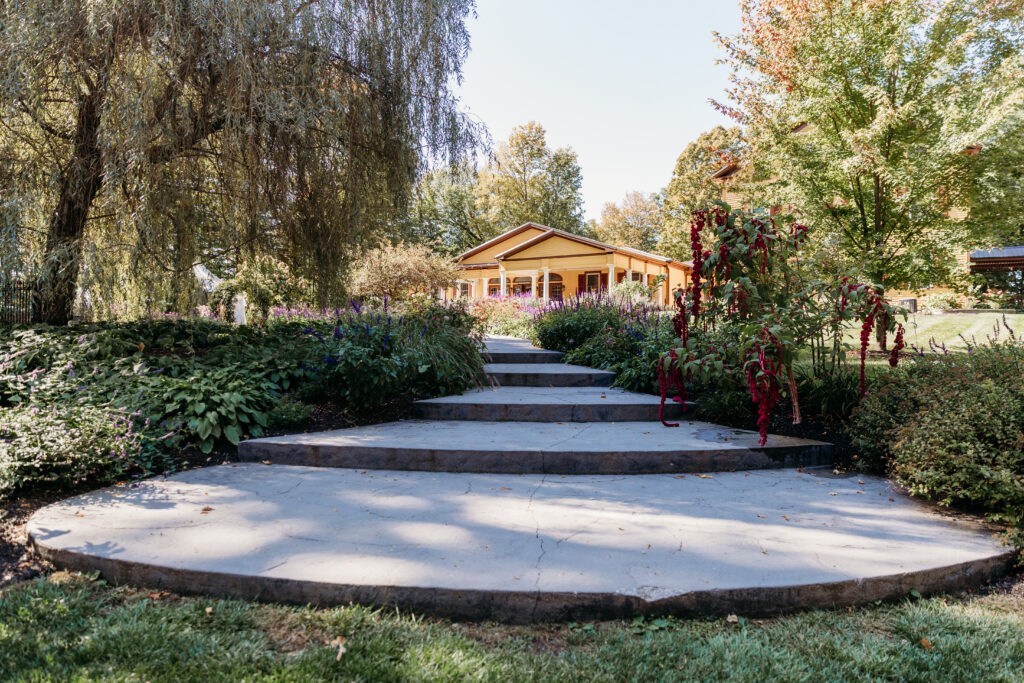
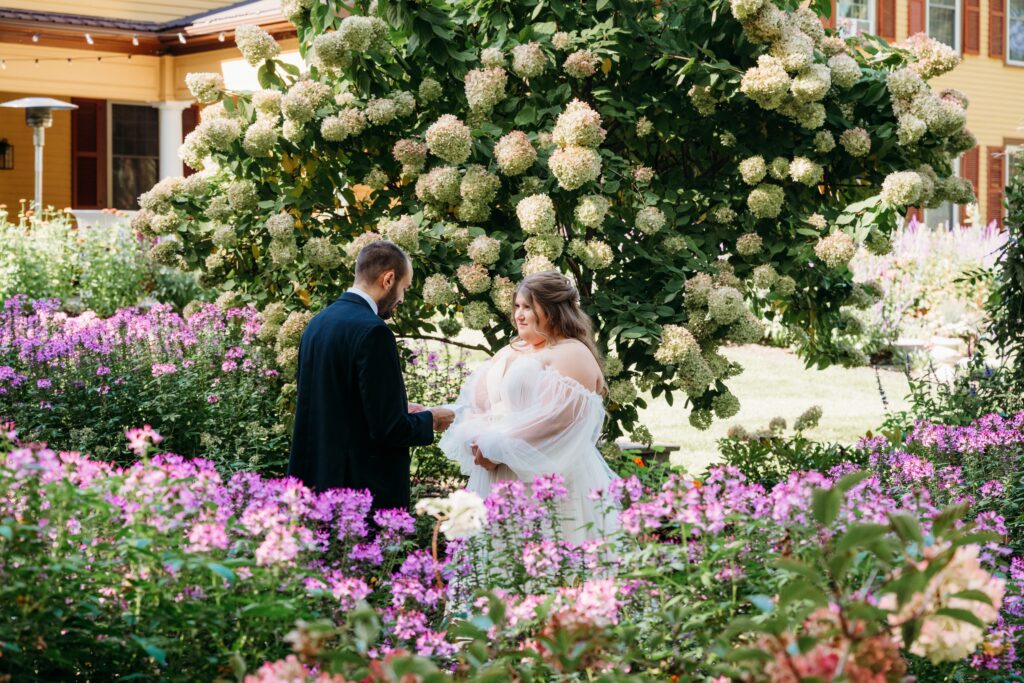
The gardens are where The Manor House really sets itself apart for me. They were started by previous owners in the 1970s and 80s, expanded to about 75 percent of their current size by the owners before Carl, and have since grown to more than 30,000 square feet of garden beds under the care of horticulturalist Dan and his partner Mary Beth.
Maintaining that much garden is serious work. The team plants 300 to 350 annuals every year and spends at least an hour and a half watering weekly, on top of ongoing weeding and deadheading. A thick tree line around the property even creates a natural microclimate, keeping the gardens two to three degrees cooler than the surrounding area, which means native plants bloom slightly later than usual.
That ecosystem also supports plenty of local wildlife, from chipmunks and rabbits to three main species of butterflies, including monarchs, plus a healthy population of bees drawn to the salvia planted throughout the beds.
Smaller Weddings, Bigger Experiences
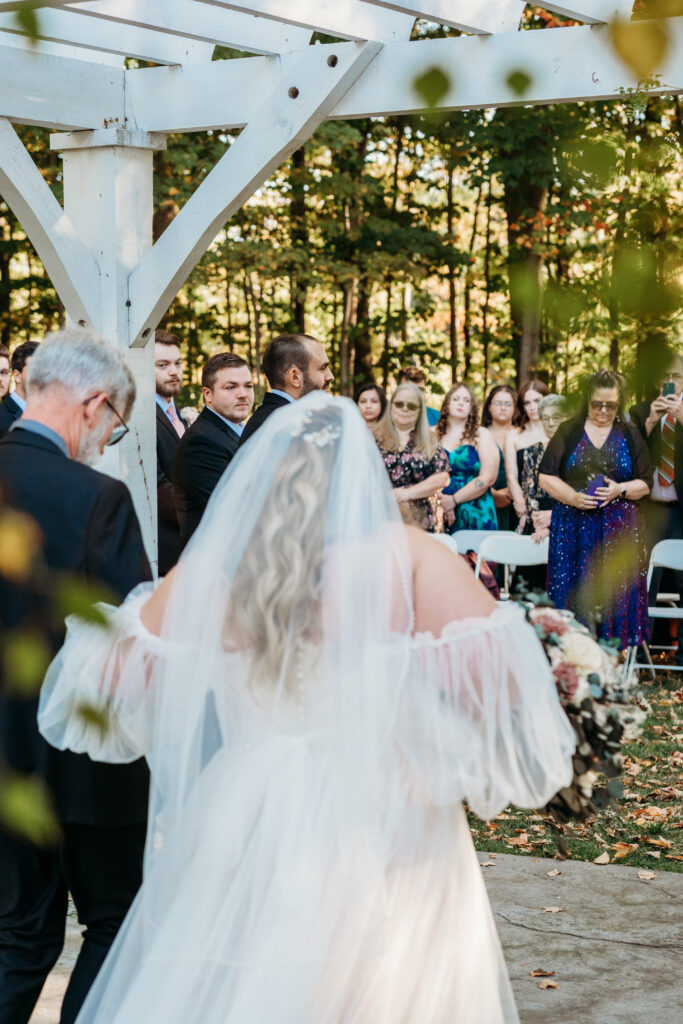
The Manor House caps out at 150 guests, with 140 considered the comfortable max. Carl explained that this size is intentional. Rather than chasing bigger guest counts, the venue tends to attract couples who want to spend more per guest, whether that means an elevated cocktail hour, a photo booth in their built-in corner, or simply a more intimate celebration overall. It’s a trend I have noticed picking up since the pandemic too, as more couples move away from large barn-style weddings.
An Open Vendor Policy, With a Few Caveats
The Manor House offers in-house bar service and a close catering partnership with 24 Carats Catering out of Watertown, but otherwise keeps an open vendor policy. Any insured vendor with wedding experience is welcome to work there. Couples get a preferred vendors list of trusted partners, and yes, there is also a blacklist for vendors who have not represented the venue well in the past.
What’s Next for the Venue
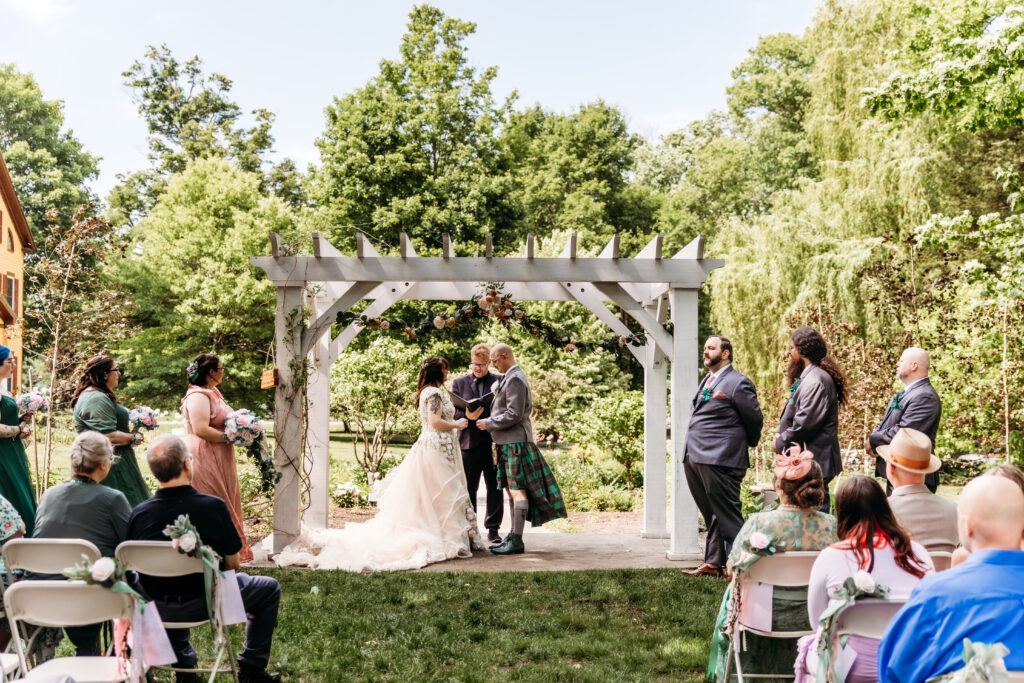
Looking ahead, Carl mentioned plans to eventually renovate the second and third floors, which still have around nine bedrooms left over from the property’s bed and breakfast days, with hopes of offering on-site lodging down the road. This year the venue also added a rain plan option, partnering with a nearby Episcopal chapel owned by the Diocese of Onondaga to give couples an indoor ceremony space if the weather doesn’t cooperate.
Between the history, the gardens, and Carl’s thoughtful approach to hospitality, it’s easy to see why The Manor House keeps coming up when I think of garden weddings in New York.