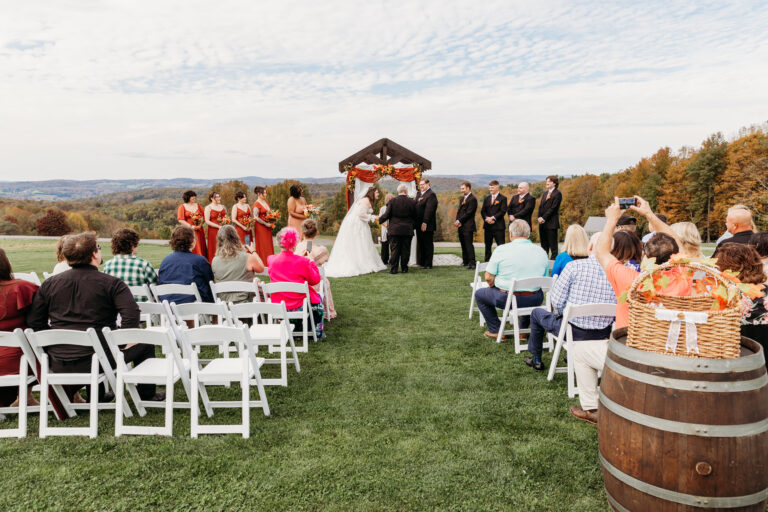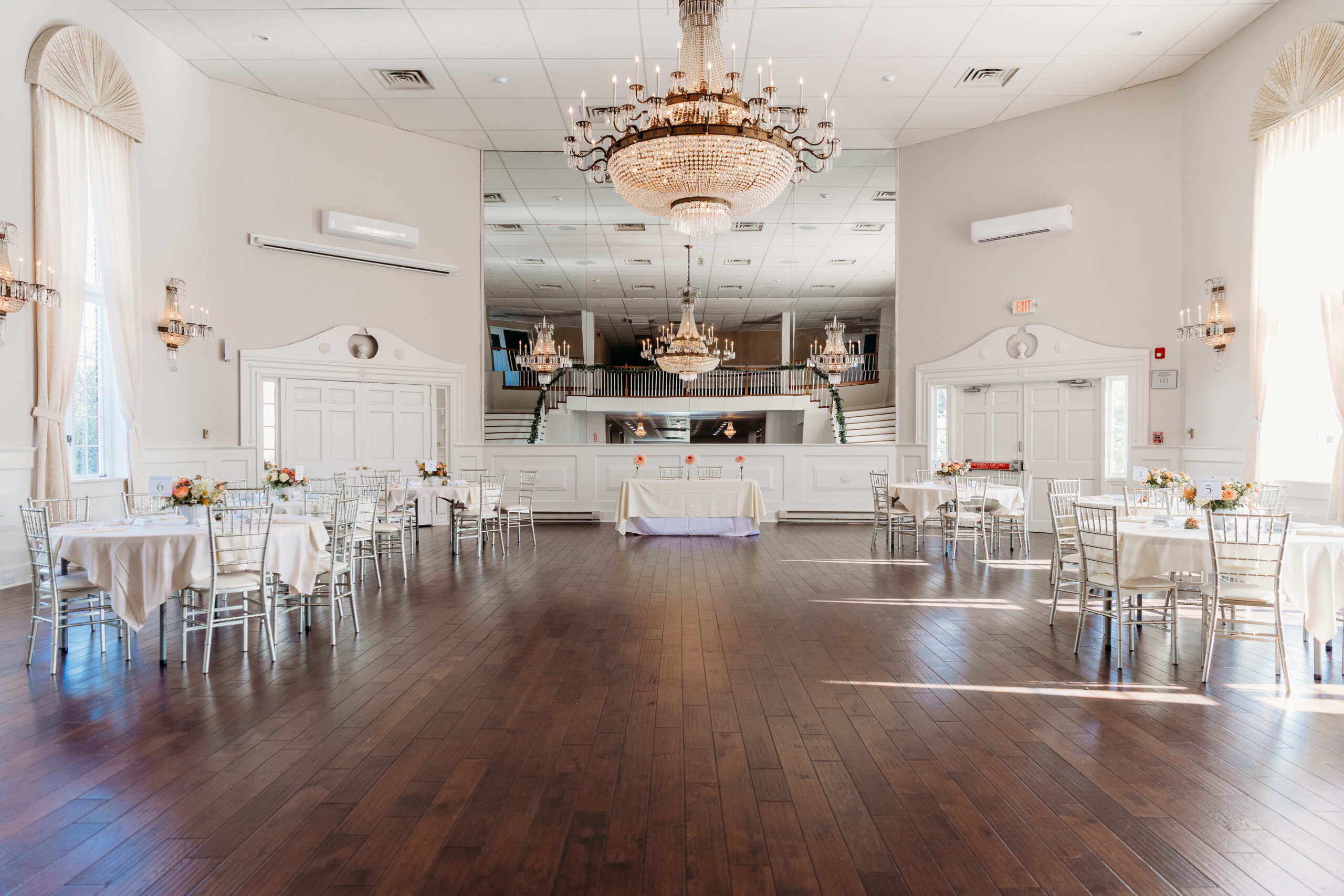
If you have ever wondered what goes on behind the scenes of a wedding reception, the answer is: a lot more than you think. We sat down with Mary Kay of Creative Caterers, Glendiverse’s (a rustic venue in Penfield, Rochester), and Togan and Wood Estate Bar in Lyons, New York for an honest conversation about what makes weddings run smoothly and what couples consistently get wrong.
With nearly 40 years in the business, Mary Kay has seen it all. Here is what she wants every couple to know.
Hire a Day-of Coordinator. No, Really.
If there is one piece of advice Mary Kay gives every couple, it is this: hire a dedicated day-of coordinator, and make sure it is not your maid of honor, a parent, or a friend.
“Let all those people enjoy themselves,” she says. “I have a lot of people that say my maid of honor is going to be the day-of coordinator. They’re already doing too much as it is.”
A professional coordinator has done this before. They already know the answers to questions your well-meaning friend would have to ask you on the day itself, questions that have probably already been discussed in planning meetings. More importantly, they give your vendors, guests, and wedding party one clear point of contact throughout the night.
Friends and family assigned to coordinate still end up coming to the couple with questions because they lack experience or were never briefed properly. A good coordinator will know exactly what they need from you in the weeks leading up to the day, so that by the time the wedding arrives, the details are already locked in.
Food and Bar Drive Your Timeline
Many couples let the DJ or photographer build out the day’s timeline, but Mary Kay argues that whoever is handling the food and beverages should take the lead, since those logistics tend to shape everything else.
“When hors d’oeuvres, cocktail hour, a bar, and then when dinner is served definitely dictate the flow of the rest of the day,” she explains.
A few specific timeline tips she shared:
Stick to the dinner start time. If dinner is supposed to begin at 6:00 and it gets pushed to 6:30, food quality suffers. Meats dry out, dishes lose temperature, and it throws off the rest of the night. “I always say let’s just basically stick with the timeframe to at least dinner. And then afterwards I don’t care.”
Do your first dances and speeches before a messy meal. If you are serving tacos, barbecue, or anything that could end up on a shirt, get your formal moments out of the way first. Nobody wants a best man delivering a heartfelt toast with barbecue sauce on his lapel.
Account for wardrobe time. Bustling a dress takes longer than people expect. Grooms sometimes change back into full formal wear before cake cutting. These small moments add up and need to be built into the schedule.
Late night menus need lead time. Late night bites have become increasingly popular, but they need to go out at least an hour to an hour and a half before the event ends. Build that into your plan early.
The Real Benefits of One-Stop Vendors
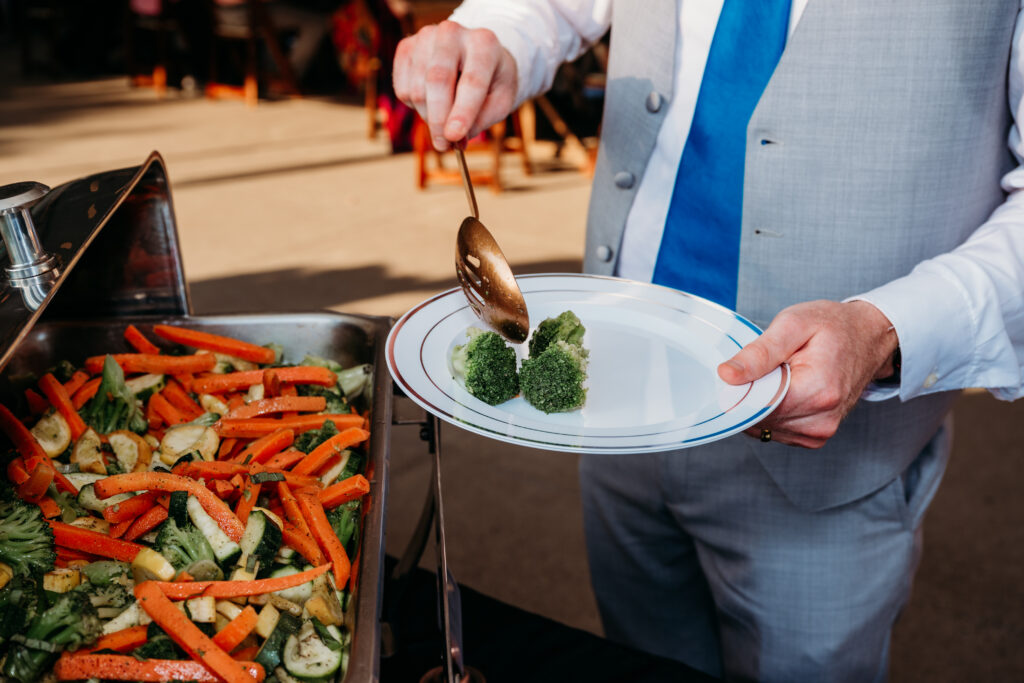
Booking your venue and catering separately might seem like a way to save money, but it rarely works out that way. When you piece together a venue, tables, chairs, linens, and catering from different vendors, you are coordinating logistics with potentially six different businesses, each with their own timelines, pickup policies, and communication styles.
“People think sometimes, oh, if I go here and go there, maybe it’s going to be cheaper. It’s never cheaper. It’s usually cheaper to try to keep it all under one roof.”
The same logic applies to photo and video. Working with a team that shoots together regularly means fewer surprises, clearer communication, and a smoother day for everyone involved.

Hidden Fees to Ask About
Before you sign anything, Mary Kay recommends asking about the following potential add-ons that couples often overlook:
- Room rental fees: Many venues charge this before food or drink is even discussed.
- Mileage fees: Some caterers charge based on distance to the venue.
- Additional bartenders: You may want a second bartender based on your crowd size. That often comes with an extra cost.
- Extended bar hours: Adding time to your open bar is usually possible, but it is typically not included in base pricing.
The goal of a good caterer is to surface all of these costs early so there are no surprises in the final week before the wedding.

Always Account for Vendors in Your Head Count
This one surprises a lot of couples. Your photographer, videographer, DJ, and their assistants are spending the entire day working for you. They need to eat.
Mary Kay is direct about this: “You have to take care of the vendors. Just give them a little area to sit down for 10 to 15 minutes, eat, have something to drink. It just makes for a smoother night for everybody.”
Beyond being the kind thing to do, a vendor who has eaten is a vendor who is performing at their best during your reception.
Also worth noting: many vendors do not show up alone. A DJ brings equipment that takes time to set up. A photographer may bring an assistant. Ask your vendors in advance whether they will have anyone with them, and factor those people into your count.
As a caterer, Mary Kay always brings extra food. Running out is, in her words, “unforgivable.” Even at a formal seated dinner with firm counts, extras come along to cover guests with forgotten allergies, last-minute dates, or vegetarians who neglected to mention it on the RSVP.

The Most Common Mistake Couples Make
Trying to DIY the wrong things.
There is nothing wrong with getting creative on centerpieces, decor, or personal touches. But when it comes to your DJ, photographer, and caterer, experience is not something you can substitute for.
“You can’t buy experience,” Mary Kay says flatly. “It’s not something that you can even, even if you do have the equipment, you can’t buy experience.”
A friend who agrees to DJ your wedding is going to have a hard time drawing the line between working and celebrating. A friend who wants to make your wedding cake has no professional accountability if something goes wrong. Mary Kay once watched a five-tier cake collapse in a driveway and had to send someone to the grocery store to salvage the situation. It can be fixed, but it does not have to happen.
Her advice: if you are just starting out as a vendor and want to learn, find someone established in the business and work alongside them before going out on your own. The same principle applies when couples are hiring. Look for experience, not just availability.
Ask What Your Venue Already Has
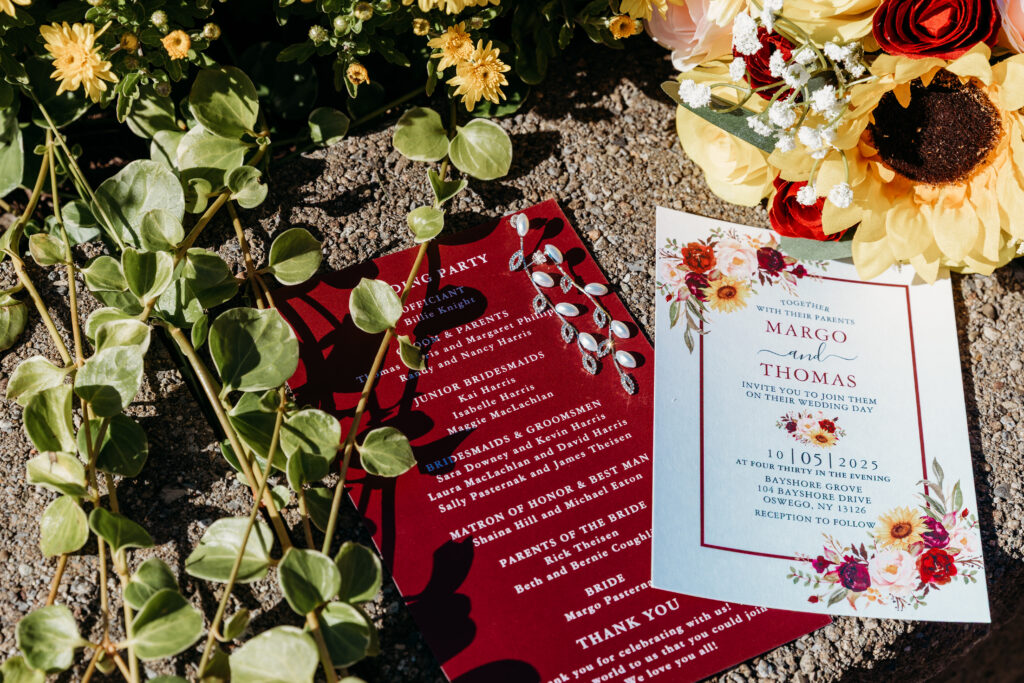
Before spending money on decor, ask your venue what they offer. Lanterns, greenery, and other accent pieces are sometimes available at no charge and can make a real visual impact on their own.
“I’ve had brides take maybe a little baby’s breath and put them in the lantern. Even just greens. Getting used to lifting greens and laying it down at the base. That in and of itself makes a difference.”
Greenery tends to cost less than flowers and photographs beautifully. It is a simple way to stretch your floral budget without sacrificing the look.
The Bottom Line
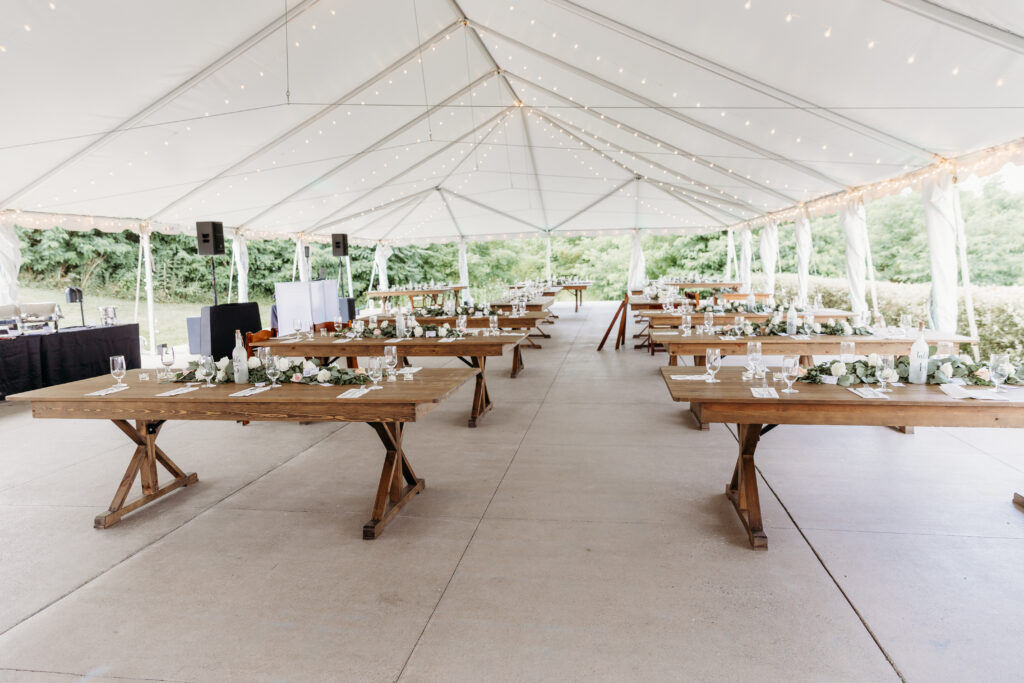
The vendors at your wedding, your caterer, photographer, DJ, and coordinator, are all working toward the same goal: making your day run flawlessly. When you hire experienced professionals, communicate clearly, plan your timeline around the practical realities of food and logistics, and let your friends and family actually enjoy themselves, the day tends to take care of itself.
As Mary Kay puts it: “We’re all in this business to make each other really look good. And we want it to be just as beautiful as you do.”