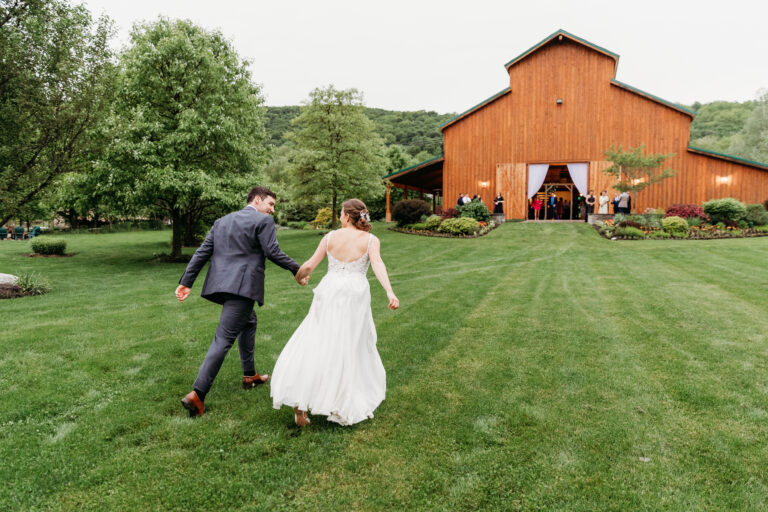
If you’re planning your wedding and searching for a Central New York wedding photographer, chances are you’ve already seen a few contracts land in your inbox.
And I know.
They are not the fun part.
You would much rather be dreaming about golden hour portraits by the lake, planning your CNY engagement sessions, or picturing your Finger Lakes wedding photos with that perfect vineyard sunset.
But here’s the truth.
Your wedding contract is one of the most important parts of your planning process.
Let’s talk about it like we’re sitting across from each other with coffee in hand.

Why Wedding Contracts Actually Matter
A good contract protects both you and your vendors.
It clearly outlines:
- What services are being provided
- What you are paying
- When payments are due
- What happens if something goes wrong
When something unexpected happens, and sometimes it does, the contract keeps everyone from guessing or arguing. You can simply look at the agreement and say, okay, this is what we agreed to.
It is not meant to be scary. It is meant to create clarity.

Yes, Most Vendor Contracts Favor the Vendor
This is something couples often notice right away.
It can feel like the contract is written to protect the photographer, the planner, or the venue more than you.
And honestly, that is somewhat by design.
For your vendor, this is their livelihood. A Syracuse wedding photography team might photograph dozens of weddings each year. A DJ might do over a hundred events annually. If they were financially responsible for every little thing that went wrong, even things outside their control, they would not be able to stay in business.
That does not mean the contract is unfair. It just means risk is being allocated in a way that makes sense for a small business.
Payment Schedules, Deposits, and Retainers
Let’s get into one of the biggest areas of confusion.
When you hire a Central New York wedding photographer or book a venue in the Finger Lakes, you will likely pay something upfront.
Here is what you should look for in your contract:
- What is the total fee?
- What is due at signing?
- Are there installment payments?
- When is the final balance due?
- What happens if a payment is late?
Make sure the payment schedule is crystal clear. No vague language. No guessing.
Deposit vs Retainer, Is There a Difference?
Legally speaking, yes.
A retainer usually serves a purpose immediately. It reserves your date and compensates the vendor for turning away other work. Because of that, it is often non refundable.
A deposit is technically just money paid toward a future service.
However, here is the important part. The language in the contract matters more than the label. If the contract says the deposit is non refundable because it reserves your date, then it is likely non refundable.
So do not rely on the word itself. Read the description around it.
Watch for Hidden Costs
This is a big one.
When reviewing your contract, ask yourself:
- Are albums included in my photography package?
- If I add an album later, what does it cost?
- Does my venue charge extra for additional staff?
- Are overtime hours clearly priced?
- Are travel fees included?
If you are planning Finger Lakes wedding photos at a vineyard and your photographer is based in Syracuse, is travel already included or added later?
These are not awkward questions. They are smart questions.
Clear expectations now prevent stress later.
The Red Flag of Free Termination
One thing to pay close attention to is something called a free termination clause.
This would allow either party to walk away from the contract for no reason.
That sounds flexible, but it can be risky.
Imagine your venue in Central New York gets a more profitable booking and cancels your wedding a week before. If the contract allows free termination, all they may have to do is refund your money.
You would get your money back, yes. But you would also be scrambling for a new venue in peak fall foliage season.
Instead, contracts should include default provisions. These outline what happens if someone fails to meet their obligations, like not paying or not showing up. That creates accountability.

What About Rescheduling and Cancellation?
This is where couples often feel surprised.
If you cancel your wedding a week before, even for personal reasons, many vendors will still be entitled to full payment.
Why?
Because they reserved your date and likely turned down other weddings.
This is especially important in high demand seasons in Central New York, like late summer and peak October when the leaves are stunning.
Read the cancellation and rescheduling section carefully. Understand:
- When can you reschedule?
- Are fees transferred or forfeited?
- When does the vendor keep payments?
These are not fun scenarios to think about, but it is better to understand them before signing.

Force Majeure, What Does That Even Mean?
You will probably see the phrase force majeure in your contract.
It simply refers to events outside anyone’s control, like:
- Severe weather
- Fires
- Government actions
- Strikes
- Major emergencies
If a blizzard hits Syracuse on your wedding day or a venue in the Finger Lakes experiences damage before your event, the force majeure clause explains what happens next.
Make sure it is clearly defined. And make sure the contract explains what happens if your wedding is impacted.

Do You Need Event Cancellation Insurance?
Short answer, it is worth considering.
For the relatively small cost compared to your overall budget, event cancellation insurance can protect you if:
- A vendor goes out of business
- A major unforeseen event forces cancellation
- Certain covered emergencies occur
Especially if you are investing tens of thousands into your day, it can offer peace of mind.
It will not cover everything, but it can protect against more than you might expect.
Hiring Friends and Family
I get it.
Your cousin offers to photograph your wedding. Your uncle wants to cater. It feels personal and budget friendly.
But here is the honest question.
If something goes wrong, what will you actually do about it?
Professional vendors typically have contracts. If someone does not provide one, that is something to think carefully about. It does not automatically mean you should say no, but you should understand the risk.
Your wedding day deserves professionalism, especially for key services like Syracuse wedding photography.

Read It, Even If It Is Long
Long contracts can feel intimidating.
But detailed contracts are usually good contracts.
They cover:
- What happens if someone gets sick
- What happens if photos are delayed
- What happens if someone damages property
- How liability is handled
And here is something important. No contract protects someone from gross negligence or intentional harm. If someone does something truly reckless, they are still responsible.
So yes, read the whole thing.
Ask questions.
Google terms you do not understand.
Have a conversation with your vendor if something feels unclear. Most professionals appreciate couples who want to understand what they are signing.
Final Thoughts for CNY Couples
Planning a wedding in Central New York is such a special experience. From lakeside ceremonies in the Finger Lakes to cozy winter weddings in Syracuse, this region offers so much beauty.
Your contracts are simply there to protect that beauty and the investment you are making.
Clarity now leads to confidence later.
If you are looking for a Central New York wedding photographer, planning CNY engagement sessions, or dreaming about timeless Finger Lakes wedding photos, I would love to chat.
No pressure, just a conversation about your vision and how to make it come to life.
Reach out anytime and let’s start planning something beautiful together.